

Building a sustainable consulting practice in the social impact sector requires more than just expertise. It demands a strategic approach to client acquisition that aligns with mission-driven values. According to recent industry analyses, the nonprofit consulting market is projected to grow significantly, with many organizations seeking specialized external support to navigate complex regulatory and operational landscapes. This growth creates a vital opportunity for consultants who can demonstrate clear value and trust. The following guide outlines the proven methodologies used by successful practitioners to secure high-impact engagements. (Contact StrategicHope)
Understanding the Social Impact Consulting Market
The landscape of nonprofit consulting is distinct from corporate consulting. Decision-makers in the social sector prioritize alignment with organizational values over purely transactional outcomes. Social impact consulting is the practice of providing specialized expertise to nonprofit organizations, foundations, and social enterprises to enhance their operational efficiency and mission delivery. This definition highlights the dual focus on financial sustainability and social good.
Consultants who succeed in this space understand that trust is the primary currency. Foundations and nonprofits are often risk-averse when it comes to hiring external partners. They need to know that you understand their unique challenges, from grant compliance to community engagement. Building this understanding requires a deep dive into the specific sector you wish to serve. Whether you focus on environmental conservation, education, or public health, your approach must reflect a genuine commitment to the cause.
Many successful consultants begin by analyzing the current needs of their target audience. This involves studying funding trends, regulatory changes, and emerging social issues. By positioning yourself as a thought leader in these areas, you attract clients who are actively seeking solutions. The key is to demonstrate that you have navigated similar challenges before. This credibility is built through consistent content creation, public speaking, and strategic partnerships.
Defining Your Niche and Value Proposition
One of the most common mistakes new consultants make is trying to serve everyone. A broad approach dilutes your message and makes it difficult to stand out in a crowded market. Market segmentation is the process of dividing a broad target market into subsets of consumers who have common needs and priorities. By identifying a specific niche, you can tailor your services to address the most pressing pain points of a defined group.
Consider the specific skills you bring to the table. Do you excel in financial planning, program evaluation, or strategic planning? Perhaps you have deep experience in grant writing or donor relations. Your niche should be a intersection of your expertise and the market's demand. For example, a consultant specializing in foundation compliance might focus on helping small family foundations navigate IRS regulations. This specificity allows you to command higher fees and build a reputation as an expert.
Once you have defined your niche, you must articulate your value proposition clearly. This is a concise statement that explains why a client should choose you over competitors. It should highlight the specific outcomes you deliver, such as increased grant funding, improved operational efficiency, or enhanced community impact. Your value proposition should be woven into all your marketing materials, from your website to your proposals.
Strategic Networking and Relationship Building
Networking in the nonprofit sector is different from traditional business networking. It is less about exchanging business cards and more about building genuine relationships. Professional networking is the active process of interacting with others for mutual professional and personal benefit. In the social impact space, this interaction is often centered around shared values and mission alignment.
Attend industry conferences, webinars, and local chapter meetings. These events provide opportunities to meet potential clients and peers. However, the goal is not to sell your services immediately. Instead, focus on learning about their challenges and offering helpful insights. When you provide value without expecting anything in return, you build trust and goodwill. This trust often leads to referrals, which are the most powerful source of new clients in this industry.
Another effective strategy is to partner with complementary service providers. For example, you might collaborate with a fundraising firm or a legal expert specializing in nonprofit law. These partners can refer clients to you when they encounter challenges outside their scope. Building these relationships takes time and effort, but the long-term benefits are substantial. You become part of a trusted ecosystem that supports the growth of your practice.
Building a Digital Presence for Trust
In today's digital age, your online presence is often the first point of contact with potential clients. A professional website is essential, but it must do more than just list your services. It should demonstrate your expertise and connect with your audience on an emotional level. Content marketing is the strategic creation and distribution of valuable, relevant content to attract and retain a clearly defined audience. For consultants, this means sharing insights that help your audience solve their problems.
Start a blog or newsletter where you discuss trends, challenges, and solutions in the nonprofit sector. Share case studies that highlight your past successes, ensuring you maintain client confidentiality. Use social media platforms like LinkedIn to engage with thought leaders and potential clients. Consistency is key. Regularly posting valuable content keeps you top-of-mind when opportunities arise.
Optimize your website for search engines to ensure that potential clients can find you when they search for specific services. Use keywords that reflect the needs of your target audience, such as "nonprofit strategic planning" or "foundation compliance consulting." This organic traffic is often highly qualified, as these users are actively seeking solutions to their problems.
Proposal Strategies That Convert
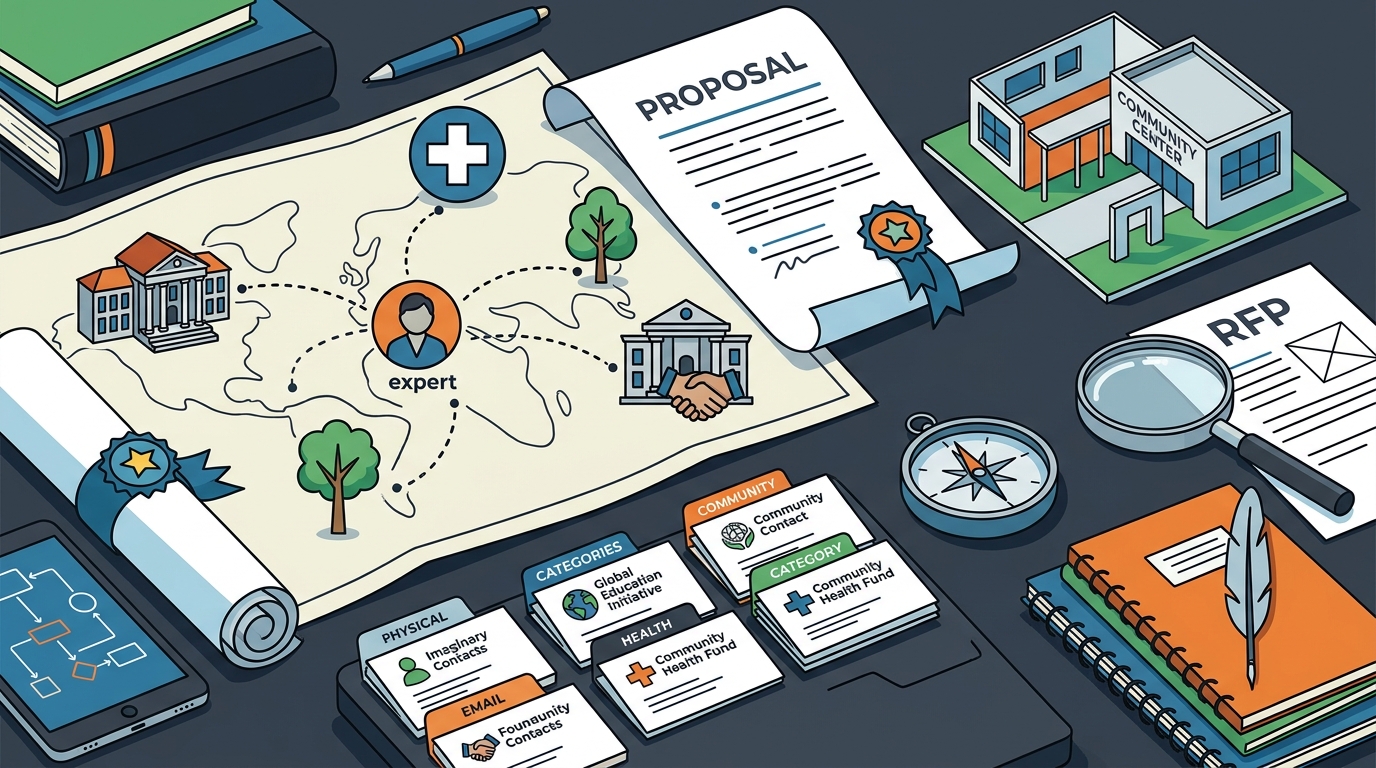
When you have the opportunity to submit a proposal, your approach can make or break the deal. Nonprofit proposals often require a specific format and tone. They must balance professional rigor with a compassionate understanding of the organization's mission. A consulting proposal is a formal document that outlines the scope, timeline, and cost of a consulting engagement. It serves as a roadmap for the project and a commitment from both parties.
Start by clearly understanding the client's needs. Ask questions to uncover their underlying challenges and goals. Tailor your proposal to address these specific points, showing how your expertise can solve their problems. Avoid generic language. Instead, use specific examples and metrics to demonstrate your capability. For instance, if you helped a previous client increase their grant funding by 20%, share that result (with permission).
Be transparent about your pricing and deliverables. Nonprofits often operate on tight budgets, so clarity is appreciated. Offer flexible payment options or phased deliverables if appropriate. Finally, include a clear call to action that makes it easy for them to move forward. Whether it is scheduling a call or signing a contract, reduce the friction for the client.
Leveraging Diagnostic Tools for Discovery
One of the most effective ways to identify potential clients is to offer diagnostic tools or assessments. These tools help organizations identify gaps in their current operations and highlight areas where consulting support is needed. A gap assessment is a systematic process used to identify the difference between current performance and desired performance. By offering this service, you position yourself as a helpful partner rather than a salesperson.
StrategicHope offers a Client Gap Assessment that helps mission-driven professionals identify their strengths and opportunities. This approach can be adapted for nonprofit clients as well. By providing a free or low-cost assessment, you demonstrate your expertise and build trust. Clients who complete the assessment often realize they need more support, leading to deeper engagements.
Use the insights from these assessments to tailor your follow-up conversations. Show the client how your specific services can address the gaps you identified. This personalized approach increases the likelihood of conversion and establishes a strong foundation for the working relationship.
Key Takeaways
- Trust is Currency: Nonprofit clients prioritize alignment with values and trust over transactional benefits.
- Niche Specialization: Defining a specific niche allows for deeper expertise and stronger market positioning.
- Relationship-First Networking: Genuine relationship building leads to more sustainable client referrals than cold outreach.
- Content Marketing: Sharing valuable insights establishes authority and attracts qualified leads organically.
- Tailored Proposals: Proposals must address specific client pain points with clear, measurable outcomes.
- Diagnostic Tools: Offering assessments helps clients identify their needs and positions you as an expert.
- Long-Term Vision: Building a consulting practice is a marathon, requiring consistent effort and adaptation.
Frequently Asked Questions
How do I find my first nonprofit consulting client?
Start by leveraging your existing network and offering value through free resources or assessments. Attend industry events and engage with potential clients on social media. Focus on building relationships rather than making immediate sales.
What is the best way to price nonprofit consulting services?
Pricing should reflect the value you provide and the complexity of the project. Consider offering project-based fees, hourly rates, or retainer models. Be transparent about costs and flexible with payment structures to accommodate nonprofit budgets.
How important is a niche in nonprofit consulting?
Extremely important. A niche allows you to specialize your expertise and stand out in a crowded market. It also makes your marketing more effective, as you can target specific pain points and needs.
What kind of content should I create to attract clients?
Create content that addresses the specific challenges your target audience faces. This includes blog posts, case studies, webinars, and white papers. Focus on providing actionable insights and demonstrating your expertise.
How can I build trust with foundation clients?
Build trust by demonstrating a deep understanding of their mission and challenges. Share relevant success stories, provide valuable insights, and maintain open communication. Consistency and reliability are key to building long-term trust.
What are the common mistakes new consultants make?
Common mistakes include trying to serve everyone, neglecting to define a clear value proposition, and failing to build a strong digital presence. Avoid these by focusing on your niche and consistently delivering value.
How do I handle scope creep in nonprofit projects?
Define clear deliverables and boundaries in your contract. Communicate regularly with your client about progress and any changes in scope. Be firm but flexible, ensuring that both parties are aligned on expectations.
Where can I find resources to grow my consulting practice?
Look for industry associations, online communities, and professional development courses. Resources like StrategicHope offer frameworks and tools specifically designed for mission-driven professionals to scale their practices.
Start Your Consulting Journey
Finding nonprofit and foundation consulting clients is a journey of building trust, demonstrating expertise, and aligning with mission-driven values. By following the strategies outlined in this guide, you can establish a sustainable and impactful consulting practice. If you are ready to scale your own practice, explore the resources available at StrategicHope. Start with our interactive income calculator to see what you could earn and gain the confidence to serve the causes you care about. Take the Client Gap Assessment today to identify your strengths and uncover the skills you can offer clients.