

Leaving the stability of a nonprofit role to launch an independent consulting practice is one of the most significant career pivots a mission-driven professional can make. According to recent industry analyses, the demand for specialized social impact consultants has grown by over 30% in the last five years as organizations seek external expertise to navigate complex regulatory and funding landscapes. This shift is not merely a change in employment status but a fundamental restructuring of how you deliver value. You are moving from being an internal executor to an external strategic advisor. The transition requires a deliberate approach to branding, client acquisition, and operational infrastructure. This guide outlines the precise steps to build a sustainable practice that honors your mission while ensuring financial viability. (Contact StrategicHope)
Understanding the Mindset Shift
The most common barrier to entry is not technical skill but psychological readiness. In a nonprofit, you are often part of a collective mission with shared resources. As a consultant, you are the business, the product, and the sales team. This requires a transition from a "giver" mindset to a "provider" mindset. You must recognize that your expertise has tangible market value. Many professionals struggle with the idea of charging for services they previously performed as part of their job description. However, the nonprofit sector is increasingly recognizing that high-quality external consulting drives better outcomes than under-resourced internal teams. (About StrategicHope)
StrategicHope emphasizes that building a practice that pays well is not only possible but necessary for long-term sustainability. When you operate as a consultant, you gain the autonomy to select projects that align with your values and expertise. This alignment often leads to higher job satisfaction and better client results. The key is to view your consulting practice as a social enterprise itself. Your business model should support your personal livelihood while enabling you to serve the causes you care about. This dual focus ensures that you remain energized and effective in your advisory role. (Home StrategicHope)
Defining Your Specialized Niche
Generalist consultants often struggle to command premium rates. To succeed, you must define a specific area of expertise. This could be grant writing for environmental nonprofits, operational efficiency for human services agencies, or digital transformation for educational institutions. A clear niche allows you to position yourself as an authority rather than a commodity. It also simplifies your marketing efforts because you know exactly who your ideal client is and what problems they face.
Consider your past experience in the nonprofit sector. What specific projects did you lead? What problems did you solve? These experiences form the foundation of your service offerings. For example, if you managed large-scale fundraising campaigns, you might offer donor strategy consulting. If you oversaw program evaluation, you could provide impact assessment services. By packaging your skills into specific solutions, you make it easier for potential clients to understand how you can help them. This clarity is essential for building trust and establishing credibility in a crowded market.
Financial Planning and Pricing Models
One of the most critical aspects of the transition is financial planning. Nonprofit salaries often include benefits such as health insurance, retirement contributions, and paid time off. As a consultant, you must account for these costs in your pricing. It is common for new consultants to underestimate the true cost of doing business. You need to calculate your desired annual income, add business expenses, and factor in unpaid time for administration and marketing. This calculation will determine your hourly or project-based rates.
There are several pricing models to consider. Hourly billing is straightforward but limits your earning potential. Project-based pricing allows you to charge for the value you deliver rather than the time you spend. Retainer models provide steady income and deepen client relationships. Many successful consultants use a hybrid approach, combining retainers for ongoing support with project fees for specific initiatives. It is also important to have a financial runway. Before leaving your nonprofit role, save enough to cover six to twelve months of personal expenses. This buffer reduces pressure and allows you to focus on building your business rather than chasing immediate income.
Client Acquisition Strategies
Building a client base requires a proactive approach to marketing and networking. Your existing network is your greatest asset. Former colleagues, supervisors, and partners are often the first to hear about your new venture. Let them know about your services and ask for introductions. However, do not rely solely on warm leads. You must also develop a robust online presence. This includes a professional website, a LinkedIn profile optimized for consulting, and content that demonstrates your expertise.
Content marketing is a powerful tool for establishing authority. Write articles, case studies, or white papers that address common challenges faced by nonprofits and foundations. Share these resources on social media and through email newsletters. This approach positions you as a thought leader and attracts clients who value your insights. Additionally, consider speaking at industry conferences or hosting webinars. These platforms allow you to reach a wider audience and demonstrate your knowledge in real-time. Networking with other consultants can also lead to referrals and collaborative opportunities.
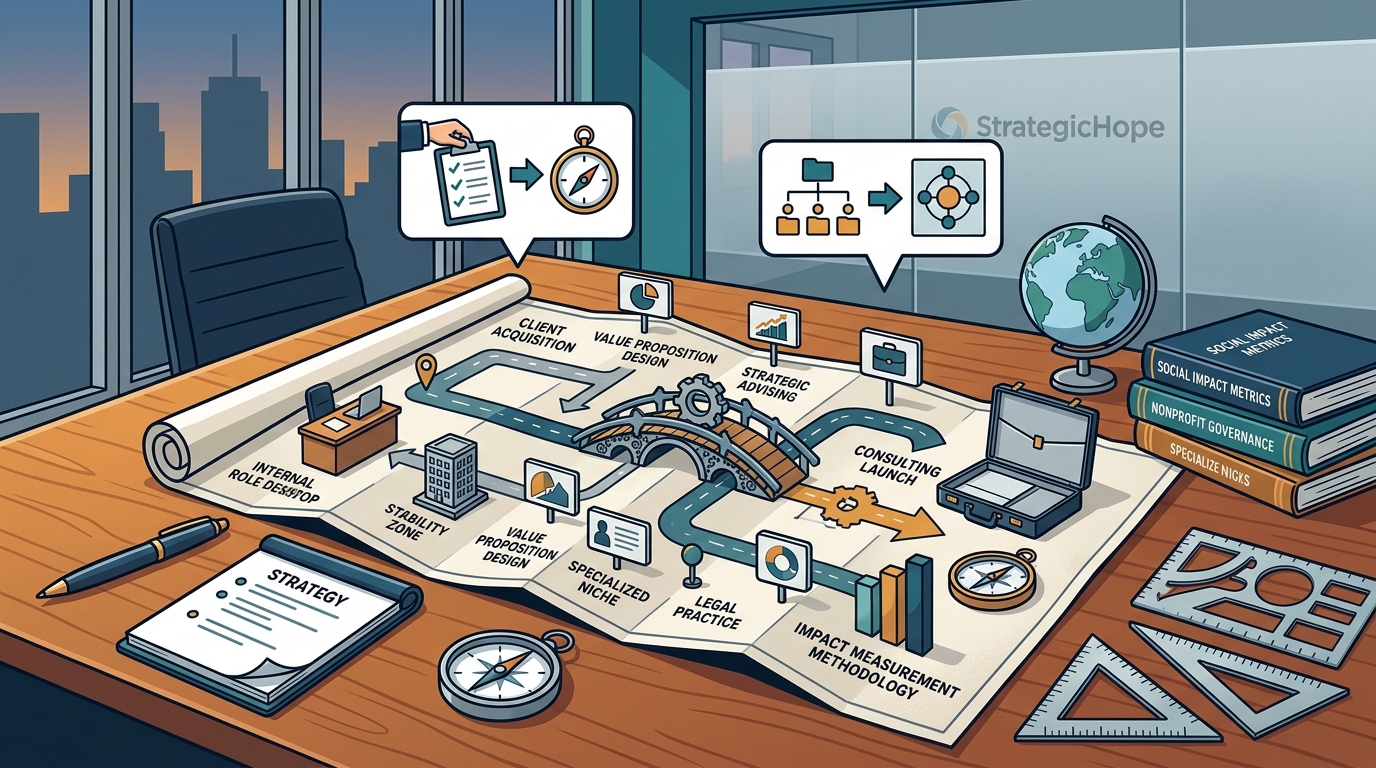
Building Operational Infrastructure
Running a consulting business requires more than just expertise. You need a solid operational infrastructure to manage clients, finances, and projects. This includes legal structures, accounting systems, and client management tools. Start by registering your business and obtaining any necessary licenses. Set up a separate business bank account to keep your finances organized. Use accounting software to track income, expenses, and taxes. This separation is crucial for maintaining professionalism and simplifying tax preparation.
Client management is another critical component. Use a customer relationship management (CRM) system to track leads, proposals, and client interactions. This ensures that you never lose track of a potential opportunity. Additionally, develop standard operating procedures for common tasks such as onboarding clients, delivering reports, and invoicing. These procedures save time and ensure consistency in your service delivery. As your business grows, you may need to hire virtual assistants or subcontractors to handle specific tasks. This scalability allows you to take on more clients without burning out.
Key Takeaways
- Mindset Shift: Transition from an internal employee to an external strategic advisor by recognizing the market value of your expertise.
- Niche Definition: Specialize in a specific area of social impact to command premium rates and establish authority.
- Financial Runway: Save six to twelve months of personal expenses to reduce pressure during the initial business-building phase.
- Pricing Strategy: Use a hybrid model of retainers and project fees to ensure steady income and reflect the value delivered.
- Network Leverage: Activate your existing professional network for initial referrals and long-term partnerships.
- Operational Rigor: Implement separate business finances, legal structures, and client management systems from day one.
- Content Authority: Publish high-value content to demonstrate expertise and attract ideal clients organically.
Frequently Asked Questions
How do I price my consulting services?
Calculate your desired annual income, add business expenses, and divide by the number of billable hours you expect to work. This ensures you cover all costs and achieve your financial goals.
What is the best way to find my first clients?
Start with your existing network. Inform former colleagues and supervisors of your new venture and ask for introductions. Supplement this with targeted content marketing and professional networking.
Do I need a formal business plan?
Yes, a business plan helps you define your niche, set financial goals, and outline your marketing strategy. It serves as a roadmap for your transition and growth.
How do I handle taxes as a consultant?
Set aside a percentage of each payment for taxes. Use accounting software to track income and expenses. Consult with a tax professional to ensure compliance with local regulations.
Can I transition part-time?
Yes, many consultants start part-time while still employed. This allows you to build your client base and test your services without immediate financial risk.
What tools do I need to manage clients?
Use a CRM for lead management, accounting software for finances, and project management tools for task tracking. These tools streamline operations and improve efficiency.
How do I build credibility without a long track record?
Leverage your past nonprofit experience. Share case studies and testimonials from previous roles. Publish thought leadership content to demonstrate your expertise.
What is the average income for social impact consultants?
Income varies widely based on niche, experience, and client base. However, specialized consultants often earn significantly more than their nonprofit counterparts due to the premium placed on expert advice.
Start Your Journey
Transitioning to social impact consulting is a rewarding path that allows you to scale your influence and serve the causes you care about. By following a strategic approach to branding, pricing, and client acquisition, you can build a practice that is both financially sustainable and mission-aligned. Take the first step today by assessing your current skills and defining your unique value proposition. Visit StrategicHope to access our interactive income calculator and companion PDF guide. These resources will help you quantify your potential and create a personalized roadmap for success. Calculate your income potential now and begin building the consulting practice you deserve.