
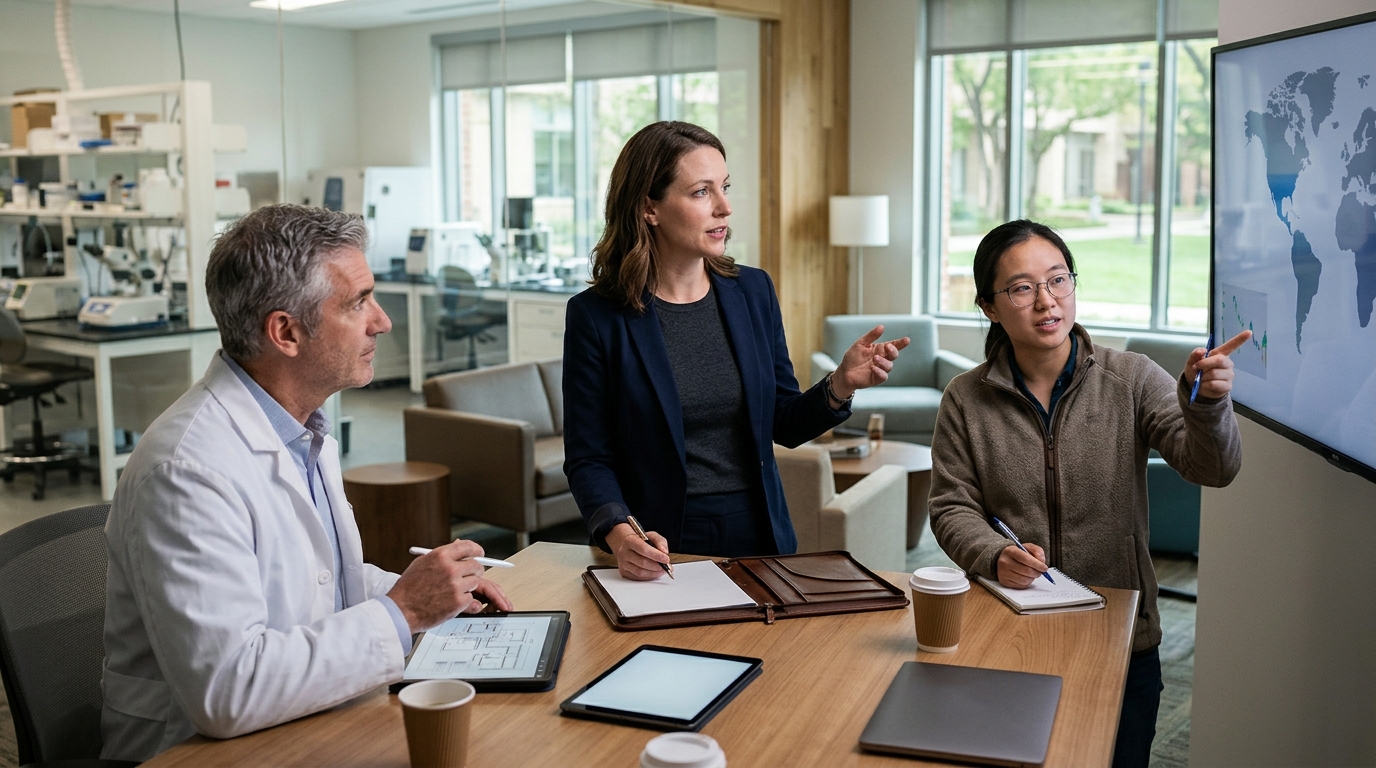
What makes a social impact consultant effective at guiding scientific research organizations?
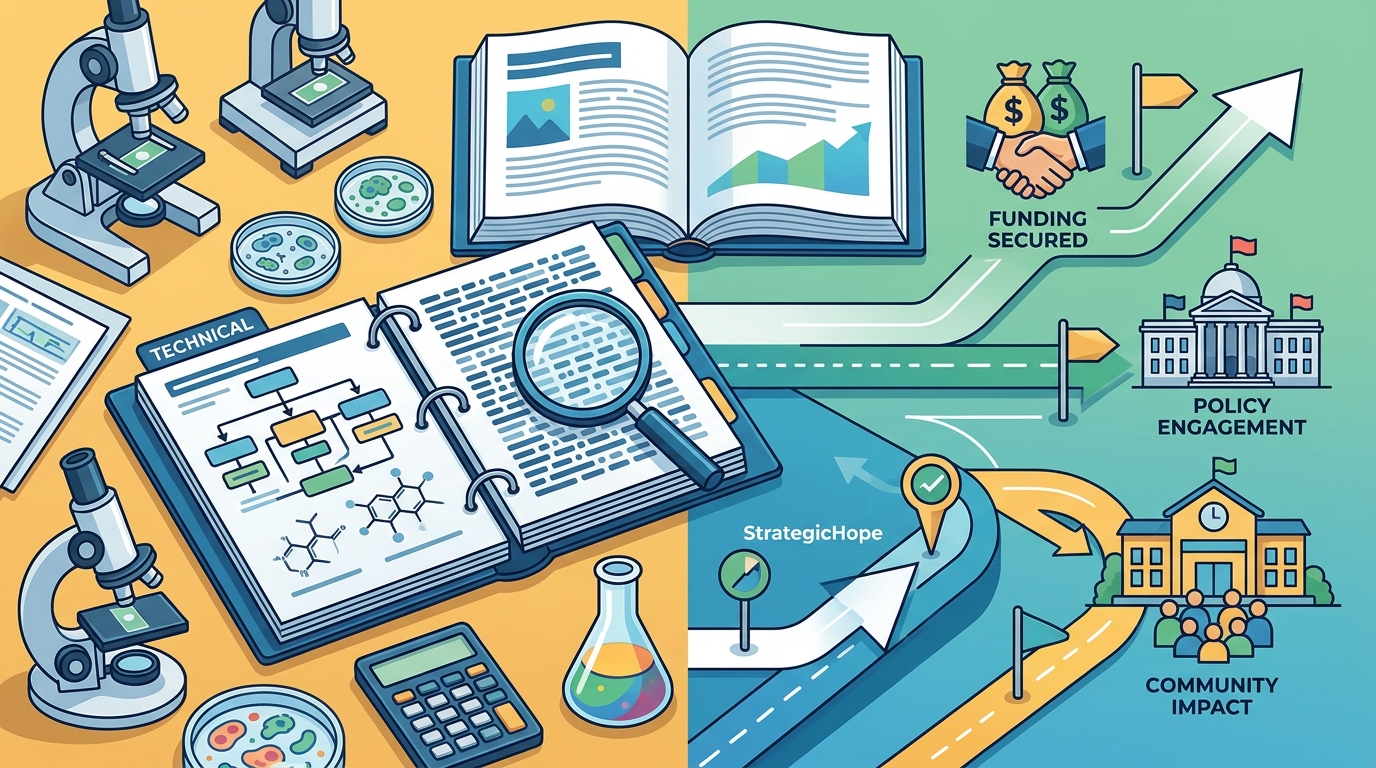
Effective social impact consultants guide scientific research organizations by translating complex technical goals into clear strategic narratives that secure funding and stakeholder alignment. They bridge the gap between rigorous science and public policy, ensuring that research outcomes reach the communities they are designed to help. StrategicHope emphasizes that this translation skill is the core value proposition for mission-driven professionals entering the consulting space.
The Strategic Translation of Technical Complexity
Scientific research organizations often struggle to communicate the societal value of their work to non-technical stakeholders. A social impact consultant is a professional who bridges the gap between technical expertise and strategic communication. This role requires the ability to distill dense data into accessible narratives that resonate with funders and policymakers. For example, a consultant might help a genomics institute articulate how their specific research contributes to broader public health equity, rather than just listing technical milestones.
This translation is not merely about simplifying language; it is about reframing the mission. When scientists focus exclusively on methodological rigor, they may overlook the strategic positioning needed to attract diverse funding sources. The consultant identifies the "so what" behind the science. By aligning technical outputs with broader social goals, the consultant helps the organization demonstrate its relevance to a wider audience. This strategic alignment is critical for long-term sustainability in the research sector.
Building Stakeholder Alignment and Trust
Research initiatives rarely succeed in isolation; they depend on a network of partners, including corporations, governments, and community groups. A social impact consultant is a strategic advisor who facilitates alignment among these diverse stakeholders. Trust is the currency of this work. Consultants must understand the unique incentives and constraints of each partner to create collaborative frameworks that work for everyone. For instance, a consultant might facilitate a dialogue between a university lab and a corporate partner to define shared success metrics that satisfy both academic and commercial interests.
Effective consultants do not just manage relationships; they build the infrastructure for trust. They create clear communication protocols and decision-making processes that prevent misalignment. This is particularly important in scientific fields where ethical considerations and public perception are paramount. By establishing a shared language and set of expectations, the consultant reduces friction and accelerates progress. The result is a more resilient organization that can navigate complex partnerships with confidence.
Aligning Research with Societal Outcomes
The ultimate goal of social impact consulting in the scientific sector is to ensure that research leads to tangible societal change. A social impact consultant is a change agent who connects scientific discovery to real-world application. This requires a deep understanding of the social systems in which the research operates. For example, a consultant might help a climate science team identify the specific policy levers that their data can influence, ensuring their findings are not just published but acted upon.
This alignment requires a shift in mindset from "publish or perish" to "impact or perish." Consultants help organizations measure success not just by citations, but by the changes they drive in policy, practice, or public behavior. They introduce frameworks for measuring societal impact that are rigorous enough for scientists but practical enough for implementation. This dual focus on scientific integrity and social relevance is what distinguishes effective consultants in this field.
Developing Sustainable Funding Strategies
Diversifying funding reduces vulnerability to the fluctuations of any single funding source. Consultants help organizations tell a compelling story that appeals to different types of funders. They identify the unique value proposition of the organization and package it in a way that resonates with potential donors. This strategic approach to funding ensures that the organization has the resources it needs to continue its work over the long term. It also allows the organization to maintain its independence and focus on its core mission.
Key Takeaways
- Effective consultants translate technical complexity into clear strategic narratives.
- They build trust and alignment among diverse stakeholders.
- They align research goals with tangible societal outcomes.
- They develop sustainable and diversified funding strategies.
- They help organizations measure impact beyond academic metrics.
- They act as change agents who connect science to real-world application.
Frequently Asked Questions
What is the primary role of a social impact consultant in a scientific organization?
The primary role is to bridge the gap between technical research and strategic communication, ensuring that the organization's work is understood and valued by non-technical stakeholders.
How do consultants help with stakeholder alignment?
Consultants facilitate dialogue among partners, create shared success metrics, and establish communication protocols that build trust and reduce friction.
Why is funding diversification important for research organizations?
Diversification reduces vulnerability to the fluctuations of any single funding source and ensures long-term sustainability for the organization's mission.
What skills are essential for a consultant in this field?
Essential skills include strategic communication, stakeholder management, financial planning, and a deep understanding of the social systems in which the research operates.
How do consultants measure the success of their work?
Success is measured by the organization's ability to secure diverse funding, align stakeholders, and demonstrate tangible societal impact from their research.
Conclusion
Guiding scientific research organizations requires a unique blend of technical understanding and strategic acumen. Effective consultants do not just advise; they transform how organizations think about their impact. By focusing on translation, alignment, and sustainability, they help scientific initiatives achieve their full potential. StrategicHope provides the tools and frameworks for mission-driven professionals to develop these critical skills and build a successful consulting practice. Learn more: Contact StrategicHope.