

Building a sustainable social impact consulting practice is rarely about finding more clients. It is about building a system that attracts the right clients consistently. According to industry data on consultant retention, nearly 70% of independent consultants struggle with the "feast or famine" cycle within their first three years of operation. This instability often stems not from a lack of expertise, but from fundamental structural errors in how they position their services and manage their pipeline. For mission-driven professionals, the gap between passion and profit is usually bridged by rigorous operational discipline.
The Pricing and Value Perception Trap
One of the most common errors among emerging social impact consultants is underpricing their services due to a fear of losing nonprofit clients. Many consultants believe that nonprofits have limited budgets and therefore cannot afford premium rates. This assumption is often incorrect for well-funded foundations and large institutions. When you price too low, you signal low value, which attracts difficult clients who demand excessive revisions and lack respect for your time.
StrategicHope defines value-based pricing as a methodology where fees are determined by the strategic impact and return on investment for the client, rather than the hours worked. This approach allows consultants to earn income that genuinely provides for their families while delivering high-impact results. To avoid this trap, you must understand your own financial needs first. Use tools like the Social Impact Practice Planner to calculate your required income and reverse-engineer your rates. If you do not know your numbers, you cannot negotiate effectively.
Another pricing mistake is failing to account for the "hidden" costs of consulting, such as software subscriptions, insurance, and administrative overhead. These costs can eat up 20 to 30 percent of your gross revenue if not factored into your base rate. By treating your consulting practice as a business from day one, you protect your margins and ensure long-term viability.
Ignoring the Client Gap Assessment
Many consultants spend months trying to figure out their marketing strategy without first diagnosing their current pipeline. This is like trying to drive to a new destination without a map. The most successful consultants use diagnostic tools to identify exactly where their client attraction system is breaking down. The Client Gap Assessment is designed to pinpoint these specific weaknesses, whether they lie in lead generation, conversion, or retention.
A common error is assuming that a lack of clients is a marketing problem when it is actually a positioning problem. If your messaging is too generic, you will attract clients who do not value your specific expertise. By conducting a rigorous self-assessment, you can identify the "skills mission-driven clients buy" and tailor your offerings to those high-demand areas. This targeted approach reduces the time spent on unqualified leads and increases the close rate of serious prospects.
Furthermore, ignoring the client gap leads to reactive behavior. Instead of proactively building a pipeline, you are constantly scrambling for the next project. This reactive mode creates stress and reduces the quality of your work. A proactive system, guided by regular assessments, allows you to maintain a steady flow of opportunities and choose projects that align with your values.
Scope Creep and Boundary Failures
Scope creep is the silent killer of consulting profitability. It occurs when a client requests additional work outside the original agreement without additional compensation. In the nonprofit sector, this is often exacerbated by the client's genuine urgency and the consultant's desire to be helpful. However, constantly saying "yes" to every request erodes your profit margins and leads to burnout.
To avoid scope creep, you must establish clear boundaries from the outset. This includes defining the deliverables, timelines, and revision limits in your contract. When a client requests work outside the scope, you should have a standard response ready that offers the additional work as a separate, billable engagement. This maintains the integrity of your original agreement and reinforces your professional value.
Another aspect of boundary failures is the inability to disconnect. Many consultants feel pressured to be available 24/7, especially when working with passionate nonprofit teams. This blurs the line between work and personal life, leading to decreased productivity and increased stress. Setting clear communication hours and sticking to them is essential for maintaining a sustainable practice. As noted in the About section of StrategicHope, the goal is to build a practice that allows you to be present for your own life while delivering exceptional work.
Ineffective Marketing and Positioning
Marketing for social impact consultants is different from traditional B2B marketing. It requires a balance of professional credibility and authentic mission alignment. A common mistake is focusing solely on features (e.g., "I have 10 years of experience") rather than benefits (e.g., "I help foundations clarify their funding strategy to increase impact by 30%"). Clients buy outcomes, not just hours.
Another critical error is neglecting the importance of a strong personal brand. In the consulting world, you are the product. If your online presence is inconsistent or unclear, potential clients will struggle to understand what you do and why they should hire you. Your website, LinkedIn profile, and content should all tell a cohesive story about your unique value proposition.
Additionally, many consultants fail to leverage their existing network effectively. They wait for inbound leads instead of proactively reaching out to former colleagues, alumni, and industry contacts. Building relationships is a continuous process, not a one-time event. Regular engagement with your network keeps you top-of-mind when opportunities arise. The resources provided by StrategicHope offer frameworks for nurturing these relationships without feeling salesy.
Scaling Through the SCALE Framework
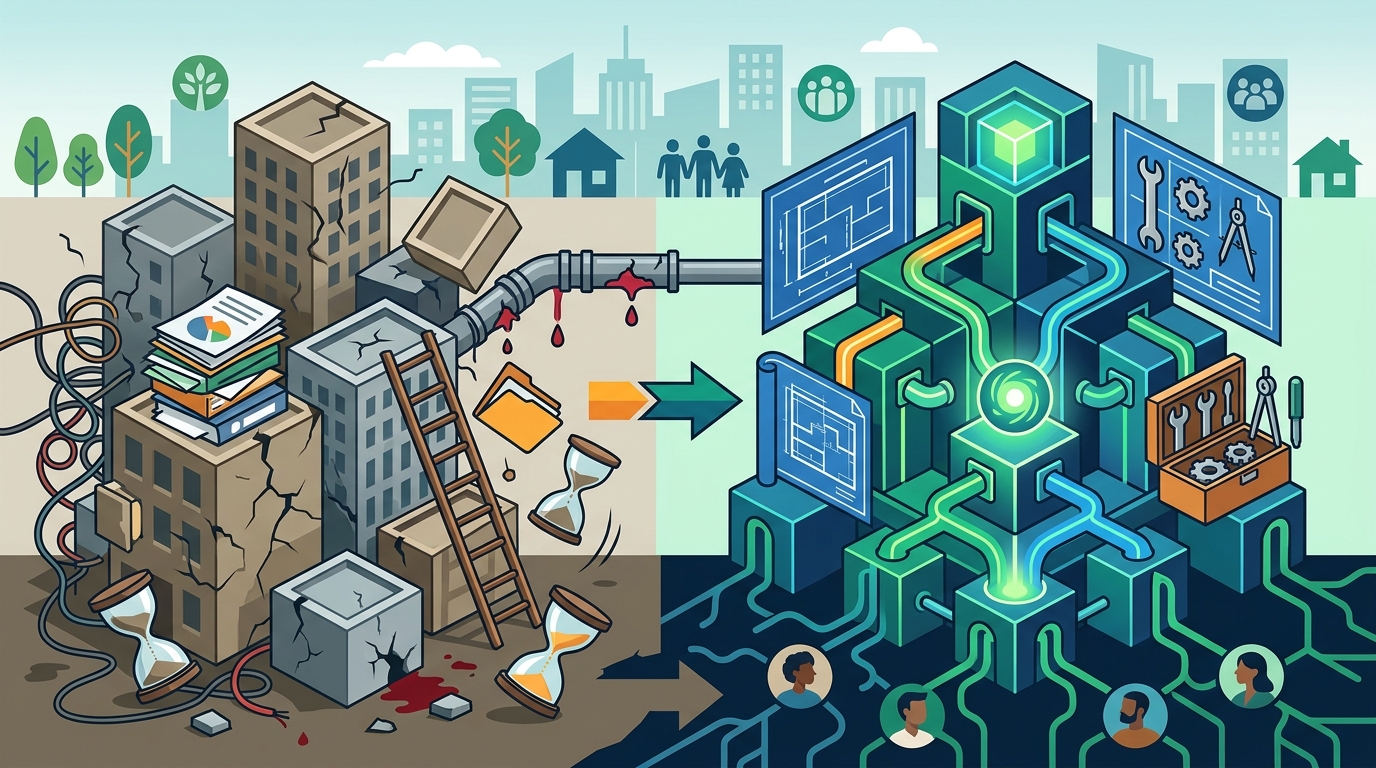
Once you have addressed the foundational mistakes, the next challenge is scaling your practice. Many consultants hit a ceiling where they cannot earn more without working more hours. This is where the SCALE Clients Flywheel framework becomes essential. It provides a five-part system to beat the feast-or-famine cycle by creating a repeatable client acquisition engine.
The SCALE framework emphasizes the importance of systematizing your marketing and sales processes. This includes creating templates for proposals, standardizing your onboarding process, and developing content that educates your prospects. By systematizing these elements, you reduce the time spent on administrative tasks and increase the time available for high-value strategic work.
Scaling also involves knowing when to raise your rates and when to specialize further. As you gain more experience and results, your value increases. Raising your rates is not just about earning more; it is about attracting clients who are serious about investing in their impact. Specializing in a niche allows you to become the go-to expert in that area, which commands higher fees and reduces competition. The Skills Mission-Driven Clients Buy Assessment can help you identify the specific skills that are most in demand in your chosen niche.
Key Takeaways
- Pricing Strategy: Use the Social Impact Practice Planner to calculate your required income and set rates that reflect your value, not just your hours.
- Diagnostic Tools: Regularly use the Client Gap Assessment to identify and fix weaknesses in your client attraction system before they become critical.
- Boundary Setting: Define clear scope and communication hours in your contracts to prevent scope creep and protect your work-life balance.
- Value-Based Positioning: Focus your marketing on the strategic outcomes you deliver to clients, rather than just listing your qualifications.
- Systematization: Implement the SCALE Clients Flywheel framework to create a repeatable and scalable client acquisition process.
- Network Leverage: Proactively engage with your professional network to generate inbound interest and build long-term relationships.
- Continuous Learning: Stay updated on industry trends and refine your skills through resources like the Skills Mission-Driven Clients Buy Assessment.
Frequently Asked Questions
How do I determine the right pricing for my nonprofit consulting services?
Determine your pricing by first calculating your desired annual income and adding business expenses. Then, divide this total by the number of billable hours you can realistically work in a year. This gives you a baseline hourly rate. You can then adjust this rate based on the value you provide to the client and the complexity of the project.
What is the SCALE Clients Flywheel framework?
The SCALE Clients Flywheel is a five-part system designed to help consultants create a consistent and repeatable client acquisition pipeline. It focuses on systematizing marketing, sales, and delivery to reduce the "feast or famine" cycle common in consulting.
How can I avoid scope creep in my consulting contracts?
Avoid scope creep by clearly defining the deliverables, timelines, and revision limits in your initial contract. Include a clause that outlines how additional work will be billed. When clients request work outside the scope, offer it as a separate, billable engagement.
Why is the Client Gap Assessment important for new consultants?
The Client Gap Assessment helps you identify specific weaknesses in your client attraction system. Many consultants assume they have a marketing problem when the issue is actually with their positioning or pricing. This assessment provides a diagnostic view to help you fix the root cause.
What skills do mission-driven clients typically buy?
Mission-driven clients typically buy skills related to strategic planning, stakeholder engagement, impact measurement, and organizational alignment. The Skills Mission-Driven Clients Buy Assessment can help you identify which of these skills you possess and how to market them effectively.
How do I build a personal brand as a social impact consultant?
Build your personal brand by consistently sharing insights and case studies related to your niche. Use platforms like LinkedIn to engage with your target audience and demonstrate your expertise. Ensure your website and content clearly communicate your unique value proposition and mission alignment.
Can I transition from a full-time job to social impact consulting?
Yes, many successful consultants have transitioned from full-time roles. The key is to start building your practice while still employed. Use tools like the income calculator to plan your financial transition and build your client pipeline before you leave your job.
Start Your Consulting Journey
Avoiding these common mistakes is the first step toward building a thriving social impact consulting practice. By implementing the frameworks and tools provided by StrategicHope, you can create a sustainable business that aligns with your values and supports your lifestyle. Visit the StrategicHope Resources page to access the Income Calculator, the Client Gap Assessment, and other essential guides. Take control of your future and start scaling your practice today.