

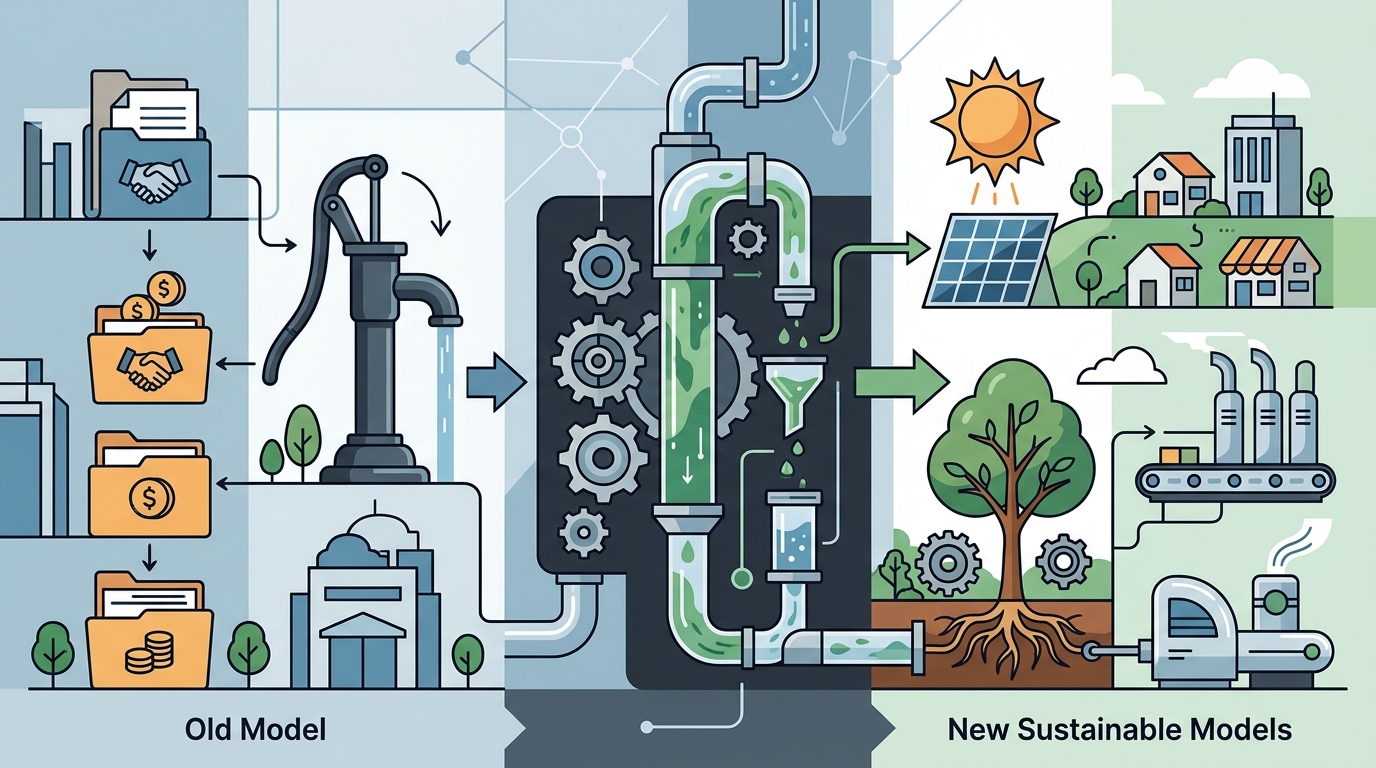
The landscape of mission-driven work is undergoing a radical transformation. According to recent industry analyses, the demand for specialized consulting in the social sector has grown by over 40% in the last five years, driven by a shift from traditional grant dependency to sustainable, revenue-generating models. This surge means that evaluating the quality and viability of social impact consulting practices is no longer optional for professionals; it is a critical survival skill. Whether you are a nonprofit leader seeking strategic alignment or a consultant assessing your own market position, understanding the core metrics of success is essential. (Contact StrategicHope)
Understanding the Strategic Framework
Before diving into numbers, you must understand the structural integrity of a consulting practice. Social impact consulting is not merely transactional service delivery. It is a specialized discipline that blends strategic planning with mission alignment. The core definition of this field is that it is a professional service model where experts help organizations achieve social goals through sustainable business practices.
Many professionals enter this space with passion but without a roadmap. This often leads to the "feast-or-famine" cycle, where income is inconsistent and burnout is high. To evaluate a practice effectively, you must look beyond the immediate project outcomes. You must assess the underlying systems that generate those outcomes. This involves examining the clarity of the value proposition, the repeatability of the service delivery, and the strategic alignment with high-impact clients.
Strategic frameworks like the SCALE Clients Flywheel provide a structured approach to this evaluation. This framework helps consultants identify gaps in their client attraction system and build a consistent, repeatable flow of opportunities. Without such a framework, evaluation becomes subjective and prone to bias. With it, you gain a data-driven perspective on your business health.
Financial Evaluation and Pricing Models
One of the most common points of failure in social impact consulting is pricing. Many consultants undervalue their work because they are accustomed to nonprofit budgets or fear that high rates will alienate mission-driven clients. However, evaluating your financial health requires a rigorous look at your income potential and expense structure.
The Social Impact Consulting Practice Planner is a critical tool for this evaluation. It allows you to model different scenarios based on your hourly rates, billable hours, and overhead costs. By inputting your specific variables, you can see real number outputs that reflect your true income totals. This transparency is vital for making informed business decisions.
When evaluating pricing models, consider the following factors:
- Value-Based Pricing: Charging based on the impact delivered rather than hours worked. This aligns your incentives with the client's success.
- Retainer Models: Providing ongoing strategic support for a fixed monthly fee. This creates predictable revenue and deepens client relationships.
- Project-Based Fees: Fixed costs for specific deliverables, such as a strategic plan or a gap assessment.
According to data from industry benchmarks, consultants who adopt value-based pricing often see a 30% increase in profitability compared to those who stick to hourly rates. This is because value-based pricing removes the cap on earnings and rewards efficiency. It also signals confidence and expertise to potential clients.
Client Acquisition and Pipeline Health
Even the most skilled consultant will fail without a healthy client pipeline. Evaluating your client acquisition strategy is just as important as evaluating your service quality. Many consultants believe they have a client problem when they actually have a system problem. This distinction is crucial for effective evaluation.
The Client Gap Assessment is designed to pinpoint exactly where your client engine has gaps. It helps you understand your current client attraction system and identify areas for improvement. By using this assessment, you can move from guesswork to strategic action. The companion PDF guide provides a breakdown of where your pipeline is working and where it is breaking down.
Key metrics to evaluate in your client acquisition process include:
- Lead Quality: Are your prospects aligned with your mission and values?
- Conversion Rate: What percentage of inquiries turn into paying clients?
- Customer Acquisition Cost: How much time and money are you spending to win each client?
By regularly reviewing these metrics, you can optimize your marketing efforts and improve your overall business efficiency. This data-driven approach ensures that you are not just busy, but profitable.
Comparing Essential Evaluation Tools
To effectively evaluate your social impact consulting practice, you need the right tools. The following table compares three essential resources available through StrategicHope to help you assess different aspects of your business.
| Tool Name | Primary Evaluation Focus | Key Benefit | Best For |
|---|---|---|---|
| Skills Mission-Driven Clients Buy Assessment | Service Offering Clarity | Identifies high-value skills to market | Consultants defining their niche |
| Social Impact Consulting Practice Planner | Financial Viability | Models income and expenses | Financial planning and pricing |
| Client Gap Assessment | Pipeline Health | Diagnoses acquisition bottlenecks | Marketing and sales optimization |
Each of these tools serves a distinct purpose in the evaluation process. By using them in combination, you gain a holistic view of your practice. This comprehensive evaluation allows you to make strategic adjustments that drive long-term growth.
Key Takeaways
- Strategic Frameworks are Essential: Tools like the SCALE Clients Flywheel help eliminate the feast-or-famine cycle by providing a repeatable client acquisition system.
- Financial Modeling is Critical: Using the Social Impact Consulting Practice Planner allows you to see real income totals and make informed pricing decisions.
- Client Gaps are Systemic: Most consultants do not have a client problem; they have a system problem that can be diagnosed with the Client Gap Assessment.
- Value-Based Pricing Wins: Shifting from hourly to value-based pricing can increase profitability by up to 30% according to industry benchmarks.
- Skills Assessment Drives Niche Clarity: The Skills Mission-Driven Clients Buy Assessment helps you identify which of your skills clients are willing to pay for.
- Historical Context Matters: Lessons from the 2008 financial crisis show that building a resilient, independent practice is a viable path for long-term stability.
- Continuous Evaluation is Key: Regularly reviewing your pipeline, finances, and service offerings ensures your practice remains aligned with your mission.
Frequently Asked Questions
What is the primary purpose of the Client Gap Assessment?
The Client Gap Assessment is designed to identify specific weaknesses in your client attraction system. It helps you understand where your pipeline is breaking down and provides actionable steps to fix it.
How does the Social Impact Consulting Practice Planner work?
This tool allows you to input your desired hourly rate, billable hours, and expenses. It then calculates your potential income and helps you determine if your financial goals are realistic.
What is the SCALE Clients Flywheel?
The SCALE Clients Flywheel is a five-part framework designed to help consultants build a consistent and repeatable client pipeline. It focuses on scaling your client acquisition efforts systematically.
Why is value-based pricing recommended for social impact consultants?
Value-based pricing aligns your fees with the impact you deliver to the client. It removes the cap on earnings imposed by hourly rates and signals higher expertise and confidence.
Can I use these tools if I am just starting out?
Yes. These tools are particularly valuable for new consultants who want to avoid common mistakes. They provide a clear roadmap for building a sustainable practice from day one.
How often should I evaluate my consulting practice?
It is recommended to conduct a full evaluation quarterly. This allows you to adjust to market changes and ensure your practice remains aligned with your long-term goals.
What is the difference between strategic planning and social impact consulting?
Strategic planning is a specific service within social impact consulting. Social impact consulting is the broader discipline of helping mission-driven organizations achieve their goals through sustainable business practices.
Next Steps for Your Practice
Evaluating your social impact consulting practice is the first step toward building a sustainable and profitable business. By leveraging the right tools and frameworks, you can gain clarity, confidence, and control over your career. Do not let uncertainty hold you back. Take the first step today by exploring the resources available at StrategicHope. Visit our Resources page to access the Skills Assessment, Practice Planner, and Client Gap Assessment. Start building the practice you deserve.