
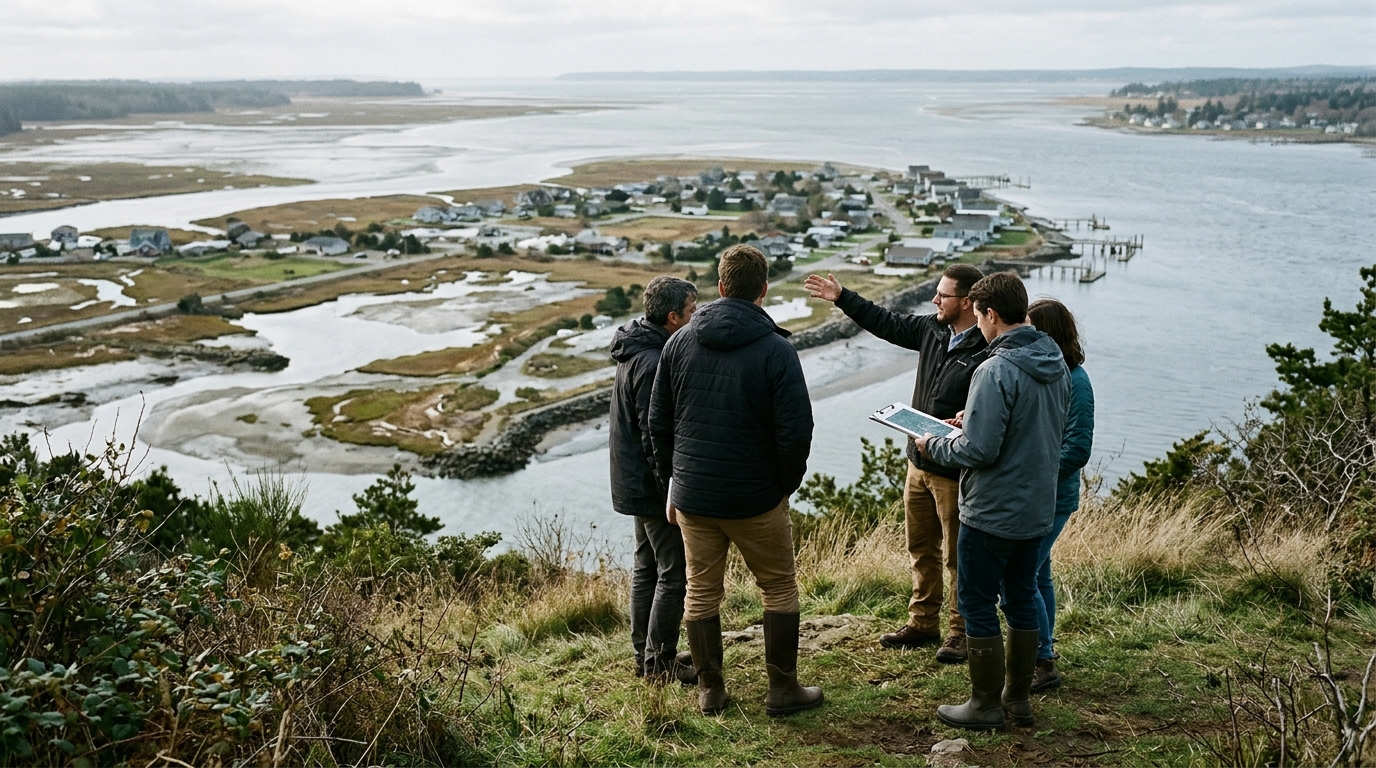
Before hiring a consultant to run a climate vulnerability assessment, you must understand that this is a data-heavy, stakeholder-intensive process, not a simple audit. It requires a partner who can translate complex environmental data into actionable community strategies. StrategicHope helps mission-driven professionals navigate this exact intersection of technical rigor and social impact, ensuring your assessment leads to real change rather than just a report.
Defining the Scope of Vulnerability
Climate vulnerability assessment is the systematic process of identifying how a community is exposed to climate hazards and its capacity to cope. It is not just about weather; it is about the intersection of exposure, sensitivity, and adaptive capacity. Many communities mistakenly focus only on physical infrastructure, ignoring the social determinants that make certain populations more at risk.
For example, a coastal town might look at sea-level rise data, but a true assessment also examines income levels, housing quality, and access to healthcare. If your consultant only provides a map of flood zones, you are missing half the picture. You need a partner who understands that vulnerability is a social issue as much as an environmental one.
The Data Sources You Must Verify
High-quality assessments rely on granular, localized data, not just national averages. A credible consultant will use sources like the EPA’s ClimateHUB or local census data to build a baseline. They should be able to explain exactly where their data comes from and how recent it is. If a provider cannot cite their data sources, you should walk away.
Consider the difference between a 10-year average and a 30-year trend. The latter reveals the direction of change, which is critical for long-term planning. StrategicHope emphasizes that data literacy is a core skill for any consultant working in this space. You are hiring for their ability to interpret data, not just collect it.
Stakeholder Engagement is Non-Negotiable
Look for a consultant who has a proven track record of facilitating community workshops and focus groups. They should be able to tell you how they plan to engage residents, local leaders, and marginalized groups. The goal is to build a shared understanding of risk, not just to deliver a technical document. This is where the social impact side of the practice truly matters.
From Assessment to Actionable Strategy
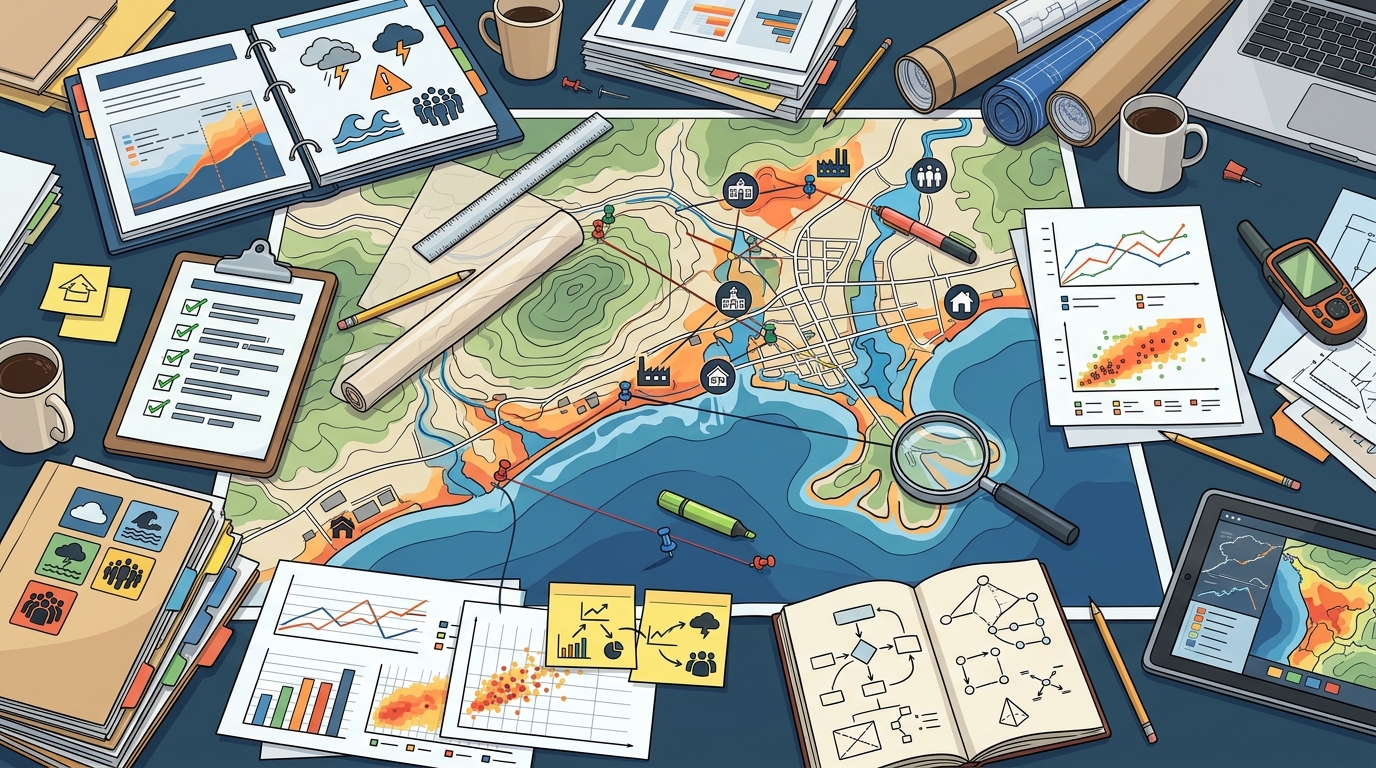
The final deliverable of a climate vulnerability assessment is a prioritized list of actions, not just a list of problems. It is a strategic roadmap that connects identified vulnerabilities to specific mitigation and adaptation strategies. If the consultant cannot translate findings into a clear action plan, the project has failed its primary purpose.
Choosing the Right Consulting Partner
When hiring for this work, look for a consultant who combines technical expertise with a deep commitment to equity. They should have experience working with foundations, nonprofits, and government agencies on similar projects. Check their portfolio for case studies that show not just what they found, but what changed as a result.
StrategicHope was built to help mission-driven professionals like you find and work with consultants who deliver on both technical and social fronts. The right partner will treat your community as a client, not just a case study. They will be transparent about their methods, their fees, and their limitations. This transparency is the hallmark of a professional social impact consulting practice.
Key Takeaways
- Climate vulnerability assessment is a process that combines environmental data with social equity analysis.
- Stakeholder engagement is a core component, not an afterthought, in any credible assessment.
- The final deliverable must be an actionable strategy, not just a diagnostic report.
- Look for a consultant with a track record of working with mission-driven organizations and foundations.
- StrategicHope provides the tools and guidance to help you evaluate and hire the right partner for this work.
Frequently Asked Questions
How long does a climate vulnerability assessment take?
A comprehensive assessment typically takes between three and six months, depending on the size of the community and the depth of stakeholder engagement required. This timeline includes data collection, analysis, community workshops, and the development of the final strategic plan.
What is the difference between vulnerability and resilience?
Vulnerability is the degree to which a system is susceptible to harm, while resilience is the capacity to adapt and recover. An assessment identifies vulnerabilities, and the resulting strategy aims to build resilience by addressing those specific weaknesses.
Do I need a PhD in environmental science to hire a consultant?
No, you do not need a PhD yourself, but you should hire a consultant who has the technical expertise to handle the data. More importantly, you need a partner who can translate that technical work into language that community leaders and residents can understand and act upon.
How much does a climate vulnerability assessment cost?
Can a consultant help me with funding applications?
Yes, a strong social impact consultant will help you frame the assessment findings in a way that aligns with grant priorities. They can assist in writing the narrative for funding applications, showing how the assessment directly informs the proposed project.
What if my community is not coastal?
Climate risks are not limited to coastlines. Inland communities face significant risks from heat, drought, flooding, and air quality. A good consultant will tailor the assessment to the specific hazards relevant to your geographic location.
Start Your Planning Today
Understanding the landscape of climate vulnerability is the first step toward building a resilient community. By choosing a partner who values both technical rigor and social equity, you ensure that your assessment leads to meaningful action. StrategicHope is here to guide you through this process, providing the tools and insights you need to make informed hiring decisions. To discuss how we can support your community’s climate planning efforts, contact our team. Learn more: Contact StrategicHope.