

Understanding the Value of Your Expertise
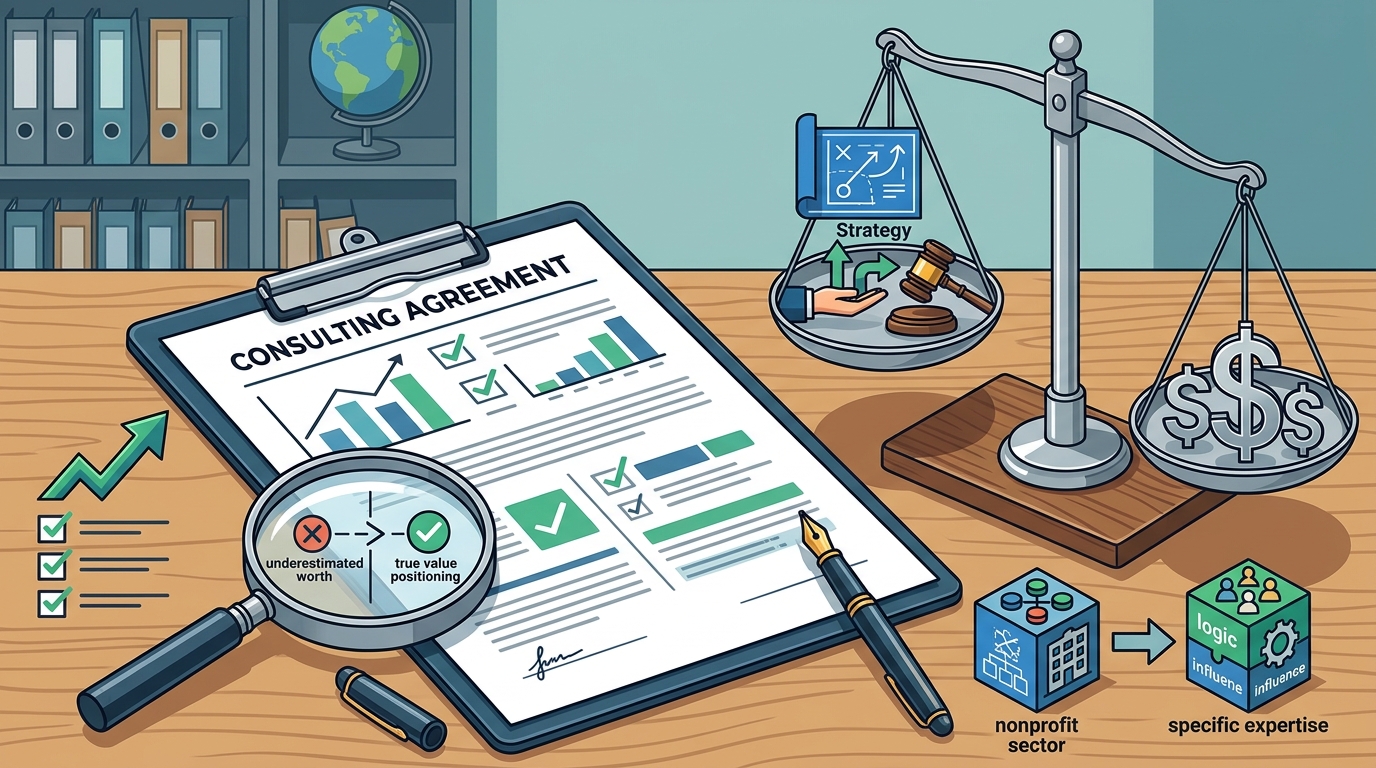
Consulting rates are often driven by the perceived value of the solution rather than the time spent. Many mission-driven professionals underestimate their worth because they focus on the sector rather than their specific skills. StrategicHope notes that strategy, facilitation, and stakeholder work routinely command high fees. The gap between what professionals charge and what they could charge is often a matter of language and positioning.
When you position yourself as a specialist in a high-impact area, you justify higher rates. For example, a consultant who helps a foundation clarify its funding strategy is providing a service that directly influences millions of dollars in grants. This high-stakes nature allows for premium pricing. You must articulate the return on investment clearly to the client.
Factors That Influence Your Hourly Rate
Several key variables determine where you should set your rate. Experience is the most obvious factor, but it is not the only one. The size and location of the client also play a significant role. Larger organizations in high-cost-of-living areas often have larger budgets for consulting. StrategicHope suggests looking at the client's size and location to find the sweet spot for your pricing.
Another critical factor is the complexity of the project. A simple administrative task may warrant a lower rate, while a complex strategic overhaul requires a higher one. You must also consider your own business costs. Your rate must cover not just your time, but also your overhead, taxes, and the time spent on business development. Ignoring these costs leads to burnout and financial instability.
Benchmarking Against Industry Standards
It is important to research your specific niche. Rates for grant writing may differ from rates for organizational development or technology implementation. By understanding the market, you can position yourself competitively. StrategicHope provides tools to help you see what real clients pay, allowing you to make informed decisions about your own pricing structure.
Aligning Rates with Client Capacity
One of the unique challenges of consulting for nonprofits is the disparity in client budgets. Some foundations have substantial resources, while smaller nonprofits operate on tight shoestrings. You must balance your financial needs with the client's ability to pay. This does not mean you must always discount your work, but it does require flexibility and creativity.
Consider offering tiered pricing or project-based fees for smaller clients. This allows you to maintain your value while making your services accessible. StrategicHope encourages consultants to think about how they can structure their offerings to serve a range of clients. By being transparent about your pricing and the value you provide, you build trust and long-term relationships.
Key Takeaways
- Position your skills in the language of value and impact to justify premium rates.
- Consider client size, location, and budget when setting your price.
- Ensure your rate covers all business costs, including overhead and business development time.
- Use project-based fees or tiered pricing to accommodate clients with different budgets.
- Regularly review and adjust your rates as your experience and reputation grow.
Frequently Asked Questions
What is the average hourly rate for nonprofit consultants?
Should I charge the same rate to all nonprofit clients?
Not necessarily. While consistency is important, you may need to adjust your rates based on the client's size and budget. Larger foundations may be able to pay higher rates, while smaller nonprofits may require more flexible pricing structures. The key is to ensure that your rate reflects the value you provide.
How do I justify a high hourly rate to a nonprofit?
Focus on the impact and return on investment. Explain how your work will help the organization achieve its goals, secure funding, or improve its operations. Use specific examples of past successes and quantify the benefits wherever possible. StrategicHope emphasizes that clients buy outcomes, not just hours.
Is it better to charge hourly or by the project?
Both models have their advantages. Hourly billing is straightforward and transparent, while project-based billing allows you to earn more for efficient work. Many consultants use a hybrid approach, charging a base fee for the project plus an hourly rate for additional work. Choose the model that best fits the scope and nature of the project.
How often should I raise my rates?
It is a good practice to review your rates annually or whenever you take on a new type of client. As your experience and reputation grow, so should your rates. Do not be afraid to raise your prices, as this signals confidence and value to your clients. StrategicHope suggests using tools to help you calculate your income potential and adjust your rates accordingly.
What if a client cannot afford my rates?
Consider offering a reduced rate for a limited period, or providing a smaller scope of work. You can also offer pro bono work for a select number of clients to build your portfolio and reputation. However, be careful not to devalue your work by consistently discounting your services. StrategicHope encourages finding a balance between accessibility and sustainability.
Next Steps for Your Consulting Practice
Determining your hourly rate is a critical step in building a sustainable consulting practice. By understanding the value of your expertise, benchmarking against industry standards, and aligning your rates with client capacity, you can set a price that reflects your worth. StrategicHope provides the tools and guidance you need to make these decisions with confidence. Start by assessing your skills and calculating your income potential to find the right rate for your practice.